
Crane Lifting Roof Trusses Services in Melbourne
Crane Lifting Roof Trusses Service is more than just lifting a roof. They need a clean sequence, stable control, and accurate placement so your carpentry crew can set and brace without delays. On narrow blocks, rear-lane builds, or sites where swing room is limited, a big crane approach isn’t always the best fit. Our crane lifting roof trusses service is built around controlled placement, lift planning, and the realities of residential and light commercial framing work. Send us your truss schedule, estimated weights, roof height, and what’s happening around the lift path so we can confirm the best setup and timing.
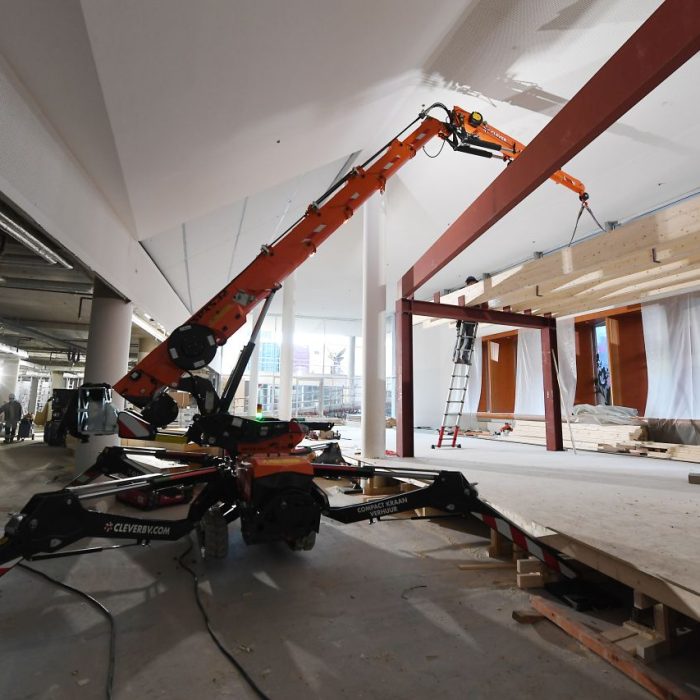
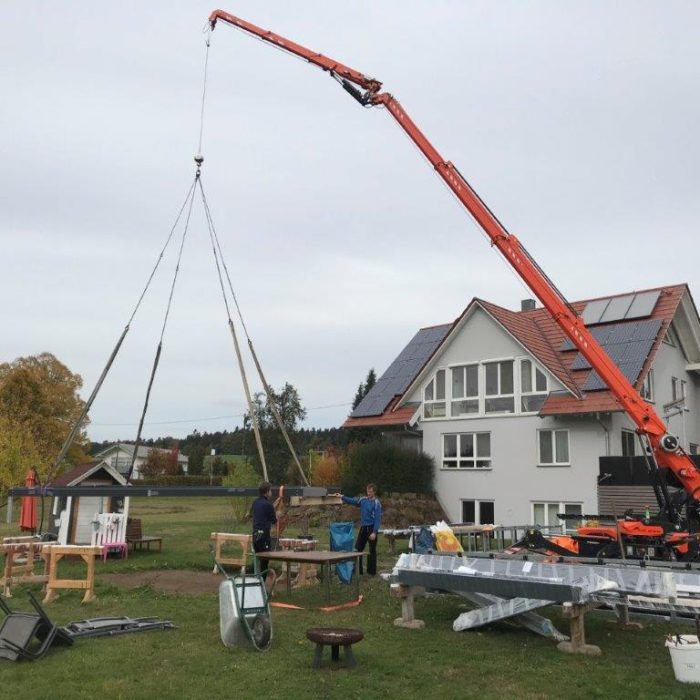
When You Need a Crane Lifting Roof Trusses Service
Crane lifting roof trusses services often become difficult for the following reasons:
- Access is tight
- Accurate placement is required
- The lift path is constrained
- Ground conditions are limited
A spider crane approach suits these jobs because the lift is planned around radius control and set-point accuracy, not just raw size, so trusses can be landed cleanly where the install team needs them, in the right order.
Access Spider Crane Hire
Access Spider Crane Hire
Access Spider Crane Hire
Access Spider Crane Hire
Access Spider Crane Hire
Access Spider Crane Hire
Access Spider Crane Hire
Access Spider Crane Hire
Access Spider Crane Hire
Access Spider Crane Hire
Access Spider Crane Hire
Access Spider Crane Hire
Key safety points for crane lifting roof trusses
Plan first: Have a SWMS / Lift Plan covering total load, lift points, lift path, one lift supervisor/spotter, and an exclusion zone.
Stable setup: Verify ground bearing capacity and outrigger pads, also confirm the frame/top plates can take the load and that temporary bracing is ready.
Powerline No-Go Zones: Keep the boom, hook and truss swing clear of minimum safe distances, remember to contact the asset owner if unsure.
Correct rigging: Use a 2-point/multi-point lift with a spreader bar where required, protect sharp edges and use tag lines to control rotation. Never stand under a suspended load.
First two trusses are critical: Stand the first truss supported by the crane, then immediately fix to the top plates and temporary braces, and repeat for the second truss and brace it to the first before easing the hook.
Fall protection: Edge protection/work platforms in place, do not stand on top plates to receive trusses and no access onto trusses until the system is stable and braced.
Stop for wind: Trusses act like a sail, it is important to follow site wind limits and stop immediately if gusts or uncontrolled swings occur.
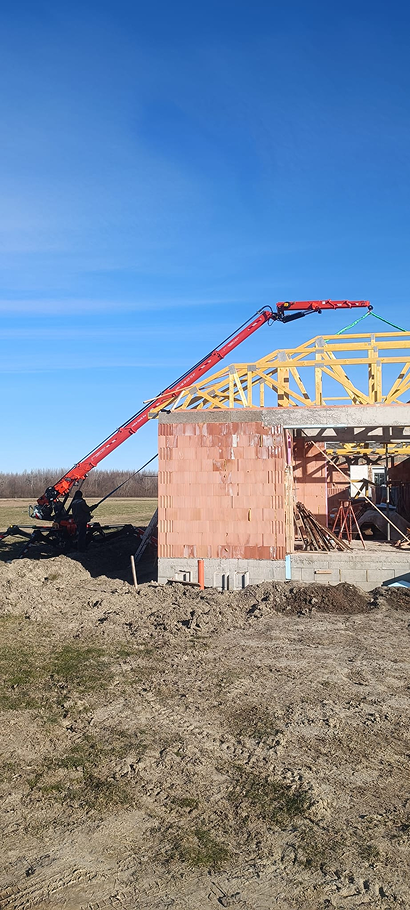
Common Works We Can Support
Residential builds and renovations
- New home builds on narrow blocks with limited crane positioning
- Second-storey additions where access and setup footprint matter
- Rear-lot / laneway access builds requiring compact setup
- Extensions, garages, and alfresco structures needing staged truss placement
Commercial and light industrial
- Warehouses and small commercial roof framing lifts
- Canopies, awnings, and covered walkways
- Jobs needing controlled placement near existing structures/services
- Sites where timing and exclusion zones must be tightly managed
Equipment, capability, and site requirements
We provide crane lifting roof trusses services which is compact for narrow sites, capable of controlled placement on glazing, steel, and roof truss lifts. All lifting capacities are confirmed by load chart, radius, and configuration.
Equipment capability (overview)
— Boom length: 2.6 m to 10.3 m, with 360° slewing for positioning
— Compact transport width: approx. 760 mm (closed tracks)
— Max wind speed (working conditions): 13.8 m/s
— Low ground pressure (track load): around 0.68 kg/cm² (config dependent)
Get a Quote for Crane Lifting Roof Trusses Hire Melbourne
"*" indicates required fields